Trump Demands Lower Gas Prices and Criticizes Chevron Executive
Donald Trump has called on major oil companies to deliver lower gas prices for consumers, directly criticizing Chevron's chief executive in recent public statements.
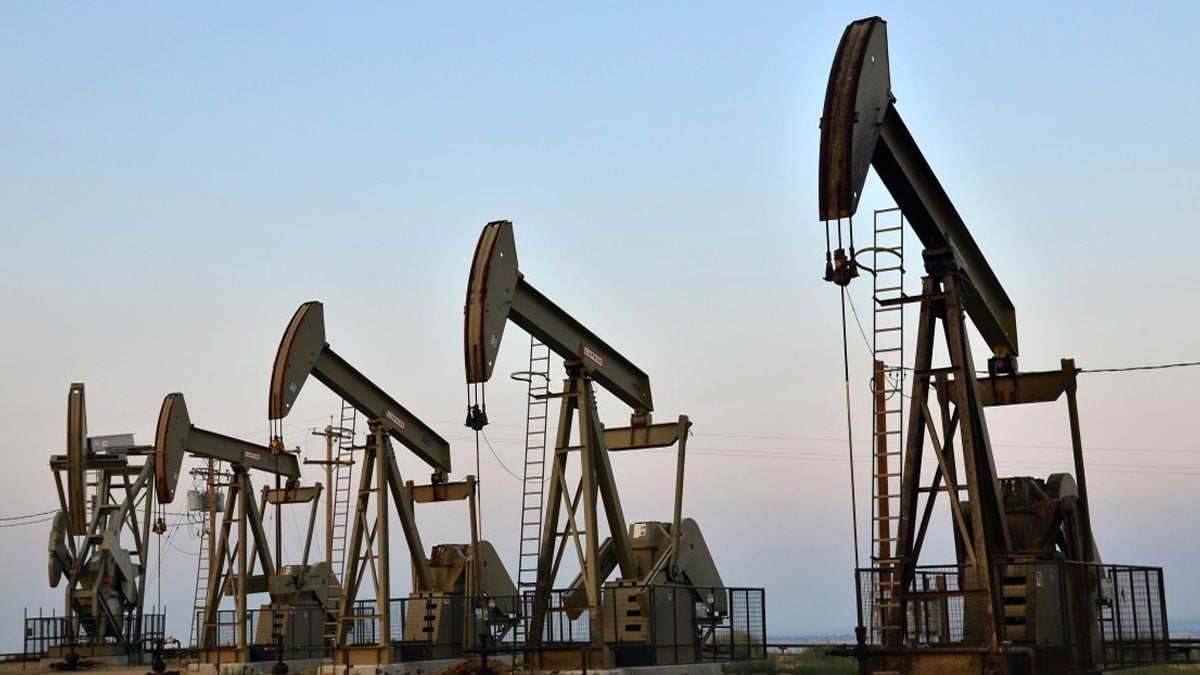
Public demands from prominent political figures regarding energy costs frequently capture international attention, particularly when directed at top corporate executives. In recent statements, Donald Trump voiced strong criticism toward major energy producers, demanding that they deliver lower gas prices for consumers while directly reprimanding the chief executive officer of Chevron. This high-profile encounter highlights the ongoing public focus on fuel affordability and the responsibilities of major energy corporations in managing energy markets.
Direct Calls for Corporate Accountability in the Energy Sector
Political pressure on energy companies often surges during periods when consumer fuel costs remain a central public concern. By addressing energy industry leaders directly, public figures seek to influence corporate strategy and advocate for immediate cost reductions at the pump. The specific criticism directed at Chevron's leadership highlights the intense scrutiny faced by executive teams at multinational petroleum companies when retail fuel prices impact broader macroeconomic conditions.
While energy executives often point to complex global supply chains, international crude benchmarks, and regulatory overhead as primary drivers of pump rates, political rhetoric typically emphasizes corporate accountability and the need for relief for everyday consumers. Direct public exchanges of this nature tend to elevate consumer awareness regarding how corporate decisions and executive strategies influence local retail fuel pricing.
What Lower Gas Prices Mean for Ordinary Citizens
For everyday households and working families, fluctuations in energy costs have an immediate and tangible effect on monthly budgets. When political calls for lower gas prices yield results or coincide with broader market downturns, the economic benefits ripple across multiple sectors of daily life.
- Direct Reduction in Commuting Costs: Lower fuel rates immediately reduce the expense of daily travel for workers, students, and commercial drivers, leaving more disposable income for essential needs.
- Relief from Inflationary Pressure: Transportation costs represent a significant component of product distribution. When fuel expenses fall, logistics companies face reduced operational overhead, which can slow down price increases on everyday goods and grocery items.
- Enhanced Household Financial Flexibility: Reduced spending on basic energy needs provides families with improved financial stability, allowing for increased personal savings or discretionary spending in the local economy.
- Operational Savings for Small Businesses: Local enterprises that depend on vehicle fleets, freight services, or mobile operations experience direct cost reductions, supporting business durability.
Understanding the Dynamics Behind Fuel Cost Changes
While public criticism can place moral and political pressure on major energy producers, retail fuel pricing is ultimately determined by a combination of market forces, global crude oil availability, refining capacity, and distribution logistics. Corporate executives must balance shareholder expectations and investment commitments against public demands for consumer affordability. As a result, rhetoric from political leaders often serves as a focal point for debate on whether industry policies prioritize consumer relief or corporate profitability.
Staying Informed Through Official Channels
As discussions surrounding energy policy, market regulations, and fuel production continue to evolve, consumers and industry observers should seek verified information from authoritative market regulators, official government energy departments, and formal corporate statements. Readers interested in tracking official policy announcements or regulatory updates are advised to consult official government portals and direct company newsroom channels to confirm verified operational details and economic policy updates.
Source: ARY News