TikTok Sparks Controversy Following Perez Hilton Video Removal
TikTok is facing intense public scrutiny following the removal of content posted by celebrity commentator Perez Hilton, raising broader questions about platform transparency.
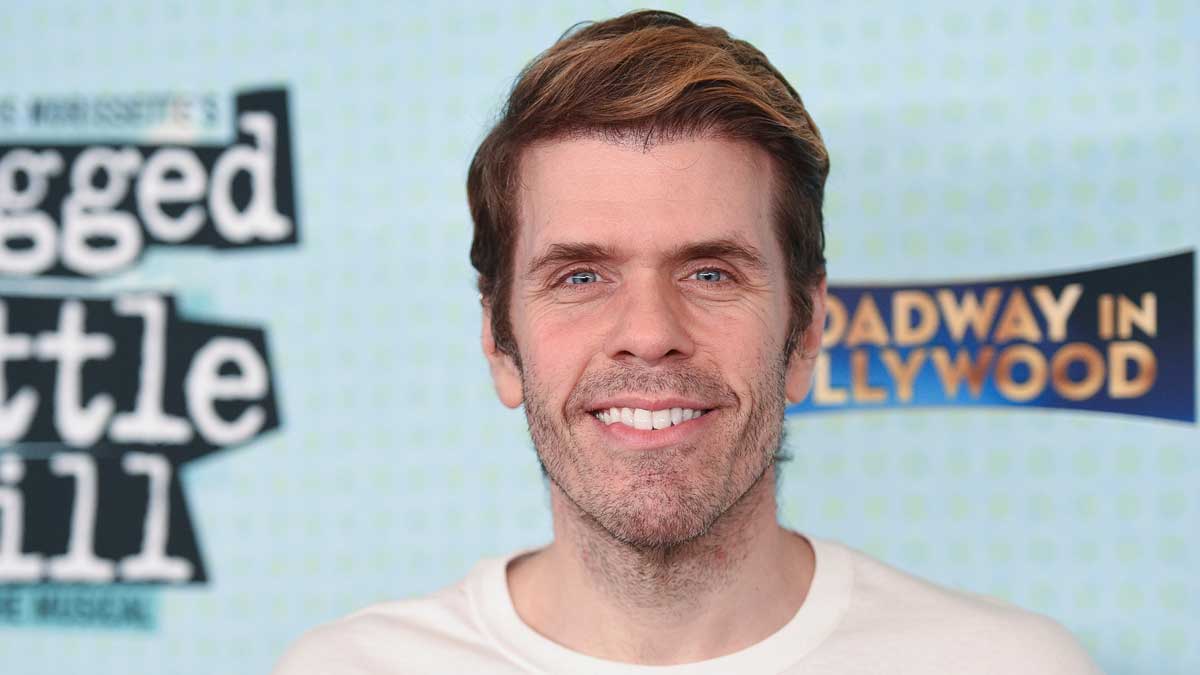
Social media giant TikTok is currently at the center of intense public scrutiny after removing a high-profile clip published by veteran entertainment commentator Perez Hilton. This incident has reignited a fierce global conversation regarding online speech, community guidelines, and algorithmic enforcement, triggering a widespread TikTok video moderation backlash. As millions of users consume daily news, commentary, and media through short-form video platforms, sudden moderation actions against prominent digital creators frequently spark concerns over platform transparency, inconsistent rule enforcement, and potential overreach by automated safety systems.
Understanding the Moderation Mechanics on Short-Form Video Platforms
Modern digital platforms manage billions of uploads daily, relying heavily on a combination of artificial intelligence, machine learning algorithms, and human review teams to monitor compliance with community standards. When content is flagged—whether through user reports or automated detection systems—it undergoes an evaluation process to check for potential violations such as copyright infringement, harassment, hate speech, or misinformation. However, the exact thresholds and automated triggers used by platforms often remain obscure to the general public and content creators alike.
In the case involving Perez Hilton, the decision to take down the published clip immediately led to intense discussion among followers, digital rights advocates, and rival commentators. Critics argue that automated moderation tools often lack the nuance required to distinguish between harmless commentary, satirical content, and genuine guideline violations. When high-profile accounts face abrupt content removals or temporary suspensions, it amplifies existing doubts about whether moderation policies are applied consistently across all user demographics and political spectrums.
The Tension Between Community Safety and Free Expression
Balancing user safety with open expression is one of the most complex challenges facing contemporary tech platforms. On one hand, operators are legally and socially obligated to keep their ecosystems free from harmful, dangerous, or deceptive material. On the other hand, aggressive or unclear content removal policies risk stifling valid public commentary, news reporting, and creative expression.
When notable public figures or digital influencers experience sudden content removals, the public reaction often extends far beyond the individual incident itself. It raises fundamental questions about digital public squares and the power concentrated within private tech enterprises. Observers frequently point out that automated mechanisms can sometimes act as an overly broad filter, restricting conversations that are otherwise legitimate under platform terms.
Key issues that commonly arise during digital moderation disputes include:
- Impact on Creator Reach: Content moderation decisions can significantly affect a creator's audience engagement, professional reputation, and online presence.
- Transparency Deficits: A lack of detailed, transparent explanations during takedowns often fuels public skepticism and accusations of arbitrary moderation.
- Timing and Urgency: The high speed of viral content makes post-removal appeals less effective, as the primary window of audience interest may pass before content is reviewed or reinstated.
- Algorithmic Errors: Automated flagging systems frequently misinterpret context, sarcasm, or educational references, leading to false-positive removals.
What This Means for Ordinary Citizens and Everyday Internet Users
While news surrounding celebrity creators and high-profile influencers dominates headlines, the implications of these moderation controversies extend directly to everyday internet users and ordinary citizens who rely on social media platforms for news, entertainment, and personal communication.
First, it highlights the essential reality that user-generated platforms operate as private spaces governed by proprietary terms of service rather than public forums protected by standard legal guarantees. Everyday citizens must remain conscious that their personal uploads, digital archives, and commentary are subject to automated filtering systems and platform-specific rules that can evolve without prior notice.
Second, controversies of this nature underscore the importance of digital literacy. As public discussions, social movements, and local community news increasingly shift to platforms like TikTok, understanding how content is filtered, amplified, or suppressed becomes crucial for every digital consumer. When videos are removed without clear public explanations, ordinary users are left uncertain about what constitutes permissible speech within their online communities.
To navigate these evolving digital landscapes effectively, ordinary internet users should consider several practical measures:
- Regularly review the official community guidelines and terms of service of any social media platform you actively use to stay informed about acceptable content standards.
- Maintain independent backups of important digital creations, media files, or critical personal documentation rather than relying exclusively on cloud hosting provided by social networks.
- Utilize formal platform appeal mechanisms if your content or account is mistakenly flagged, providing clear and concise context to support your request.
- Diversify your sources of news and information across multiple independent platforms to ensure continued access to varied viewpoints despite localized moderation actions.
- Stay informed through verified official announcements and documentation from platform operators rather than relying on unverified third-party rumors regarding policy updates.
Platform Responsibility and the Path Toward Greater Transparency
As public reaction to content removals continues to unfold, tech companies face growing pressure from regulators, advocacy groups, and general audiences to establish clearer appeal workflows and more transparent moderation reporting. Ensuring that creators receive prompt, specific notifications outlining exact rule violations—rather than generic policy citations—is widely considered an essential step toward rebuilding user confidence.
Furthermore, independent audits and published transparency reports play a critical role in helping the public understand the volume and nature of content moderation actions taken by major networks. Until platforms provide enhanced visibility into their decision-making processes, public friction surrounding high-profile account actions is likely to persist across the digital landscape.
The ongoing discussion surrounding the removal of Perez Hilton's video serves as a clear reminder of the delicate balance between digital safety, algorithmic enforcement, and platform transparency. As social media platforms continue to shape modern communication, both content creators and general consumers must remain proactive, informed, and vigilant regarding online community policies. Users seeking precise rules, reporting procedures, or appeal guidelines should always consult the official support channels and documented terms of service provided directly by the platform.
Source: ARY News