Sorange Mine Disaster: High-Level Probe Ordered in Balochistan
Following a tragic coal mine incident in Sorange that took 34 lives, the Balochistan government has ordered a high-level inquiry, assigning the CMIT to investigate and sealing four mines.
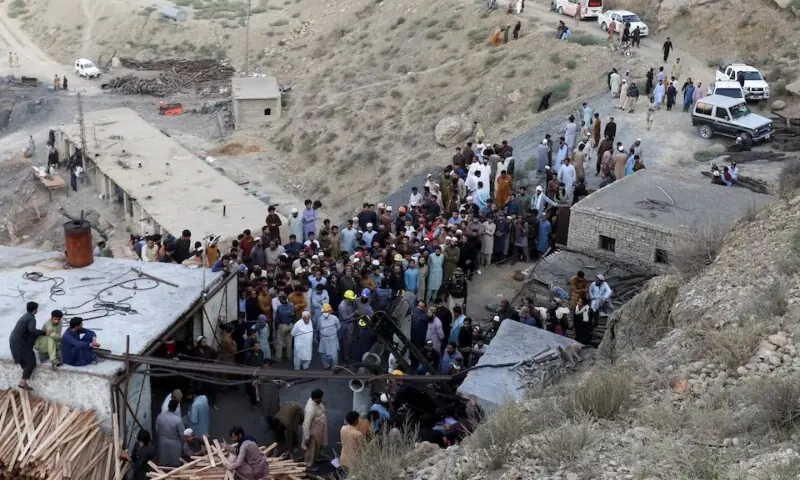
In the wake of a devastating tragedy near Quetta that claimed the lives of 34 workers, provincial authorities have officially launched a comprehensive Balochistan coal mine disaster inquiry to investigate the fatal event in Sorange. The swift administrative reaction aims to uncover structural oversights, establish direct responsibility for safety failures, and re-examine hazard mitigation protocols in the region's extraction sector. High-level directives have mobilized specialized inspection units to thoroughly examine the premises, evaluate owner compliance, and determine whether gross negligence contributed to the immense loss of human life.
Comprehensive High-Level Investigation Initiated
The provincial leadership has entrusted the primary investigation to the Chief Minister’s Inspection Team (CMIT). This specialized body is empowered to review technical logs, interview site managers, assess underground ventilation and structural stability, and determine whether statutory safety guidelines were willfully ignored or inadequately enforced. By tasking a high-level body with this assessment, the government seeks to ensure an unvarnished analysis of the events leading up to the collapse and explosion hazards commonly associated with deep-level shaft mining in Sorange.
Inspectors assigned to the probe are expected to deliver a conclusive report detailing procedural shortcomings. The scope of the inquiry extends beyond immediate physical causes to include administrative accountability. If negligence on the part of private operators or supervisory officials is established, formal legal and regulatory proceedings are anticipated. Government officials have emphasized that structural lapses and insufficient emergency preparedness will not be overlooked as the investigation proceeds.
Departmental Enforcement and Sealing of Operations
Parallel to the top-level CMIT investigation, relevant administrative departments have initiated independent departmental inquiries to examine systemic vulnerabilities within the local mining network. As an immediate precautionary and punitive measure, authorities have sealed four coal mines operating in the vicinity. This action reflects an immediate effort to prevent further hazards, secure potential evidence, and audit the structural integrity of neighboring lease sites.
The sealing of these shafts highlights a heightened regulatory posture following years of safety concerns in the coal fields. Departmental officers are conducting thorough site-by-site evaluations to verify whether leaseholders maintained mandatory air monitoring, escape shafts, and emergency communication systems. Facilities found operating without requisite safety clearances or failing basic operational tests face prolonged closures and potential lease revocations.
What the Investigation Means for Citizens and Laborers
For ordinary citizens, particularly the families of mineworkers and local communities reliant on the extraction industry, this high-level probe represents a crucial step toward workplace safety accountability. Coal mining remains one of the most hazardous occupations in the province, often employing laborers under challenging subterranean conditions. When incidents of this magnitude occur, public demand for institutional reform and strict regulatory oversight increases significantly.
Understanding the implications of this administrative action is essential for affected families and labor representatives:
- Accountability for Negligence: The primary objective of the CMIT probe is to identify responsible parties, ensuring that lease owners or administrators who compromise worker safety face appropriate legal consequences.
- Enhanced Safety Audits: The sealing of adjacent units signals tighter scrutiny across the entire sector, encouraging stricter enforcement of structural and atmospheric safety rules.
- Administrative Transparency: Departmental inquiries offer a formal mechanism to uncover operational failures, giving families a clearer understanding of how the disaster occurred.
- Future Workplace Reforms: Findings from the inquiry are expected to inform broader policy changes, potentially compelling mining firms to invest in modern safety gear, automated gas detectors, and improved ventilation infrastructure.
Pathways Forward for Mining Safety and Regulation
The tragedy in Sorange underscores the critical need for continuous, rigorous oversight in hazardous industrial sectors. While emergency response teams and investigative bodies fulfill their mandates, regional labor unions and civil society groups continue to advocate for modernized working conditions, robust compensation frameworks, and regular, unannounced safety inspections. Establishing rigid operational standards remains fundamental to preventing similar catastrophes in the future.
As the Chief Minister's Inspection Team progresses with its technical evaluation and departmental audits continue, official channels will release further updates regarding findings, legal actions, and policy revisions. Affected workers, labor representatives, and citizens seeking precise details regarding official reports or safety guidelines are advised to consult formal updates issued by the relevant provincial government departments and official state communications.
Source: Dawn News