Scientists Turn Plastic Waste to Hydrogen Fuel in Breakthrough Process
Researchers have developed an innovative scientific method to transform plastic waste to hydrogen fuel, addressing global pollution and green energy demand.
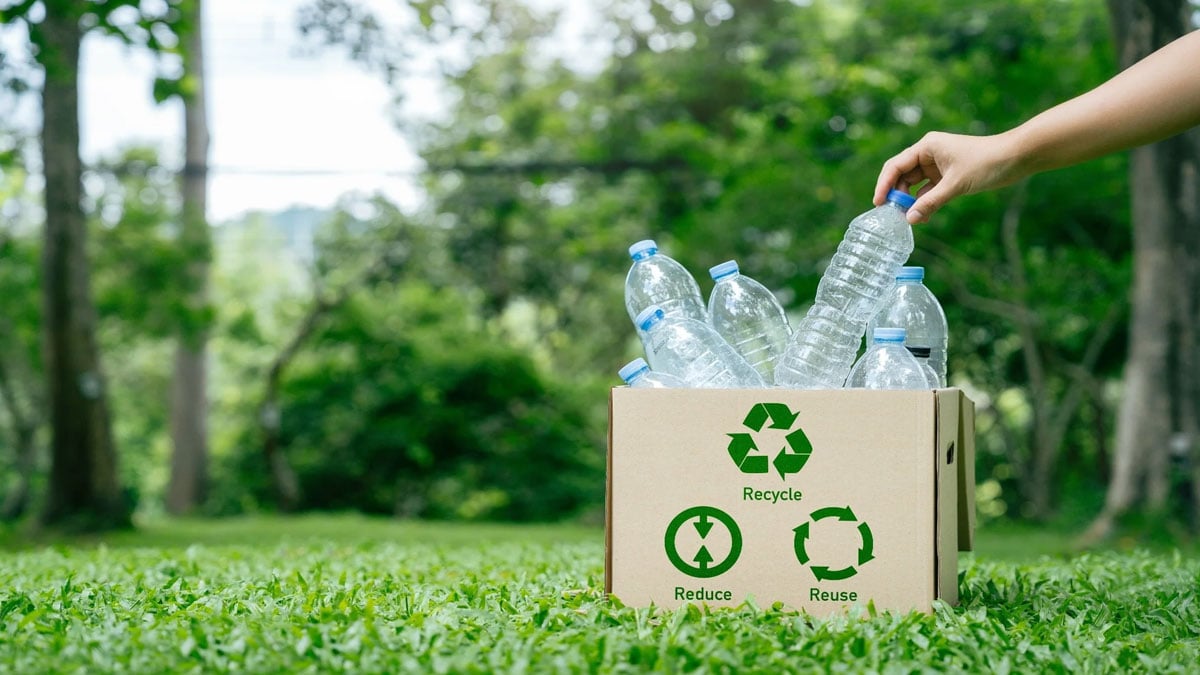
In a major advancement for clean energy research and environmental management, scientists have successfully developed a novel technique to convert plastic waste to hydrogen fuel. This innovative process addresses two of the modern world's most urgent ecological challenges simultaneously: the overwhelming accumulation of non-biodegradable garbage in landfills and ecosystems, and the growing global demand for zero-emission energy alternatives. By re-engineering the chemical bonds found in common synthetic polymers, the new methodology opens up compelling possibilities for converting everyday discarded materials into a powerful, clean energy carrier.
Plastic pollution has reached critical proportions across the globe. Millions of metric tons of single-use packaging, containers, and industrial synthetic waste are discarded every year. Traditional recycling channels struggle to keep pace with this volume, hampered by sorting costs, material degradation, and economic unfeasibility. As a result, massive quantities of synthetic materials end up incinerated—releasing carbon emissions—or buried in dumpsites where they persist for centuries. The ability to transform these stubborn refuse streams into high-value hydrogen gas changes the economic and environmental calculus of waste management entirely.
The Chemistry and Technology Behind the Breakthrough
At its core, the technique exploits the chemical composition of synthetic plastics, which are composed primarily of long chains of carbon and hydrogen atoms. Historically, extracting clean hydrogen from these complex hydrocarbon structures required extreme thermal energy, making the process costly and environmentally counterproductive. The newly developed procedure utilizes advanced catalyst systems and optimized reaction conditions to break down polymer chains at significantly lower energy thresholds.
By introducing specialized catalysts, the reaction selectively severs carbon-hydrogen bonds without requiring traditional high-temperature combustion. This prevents the release of harmful volatile organic compounds and reduces overall greenhouse emissions during processing. The end products typically consist of purified hydrogen gas alongside reusable carbon byproducts, which can themselves be repurposed for industrial applications, electronics, or manufacturing feeds.
Key Advantages of the Conversion Process
- Dual Environmental Benefit: The system mitigates severe landfill pressure while actively producing a valuable, clean-burning fuel source.
- High Resource Efficiency: Capitalizes on the naturally dense energy stored within the molecular structure of commercial polymers.
- Reduced Toxic Byproducts: Unlike standard incineration, the catalytic method operates under controlled environments that minimize toxic emissions.
- Broad Feedstock Flexibility: Potential to process mixed or unwashed discarded materials that are currently rejected by standard mechanical recycling plants.
- Support for Circular Economy: Converts linear end-of-life refuse back into the primary energy stream, creating economic incentive for waste collection.
Environmental and Global Energy Policy Implications
The global energy landscape is undergoing a swift transition toward decarbonization. Hydrogen fuel is widely regarded as a pivotal piece of this future, particularly for heavy transportation, shipping, aviation, and industrial processes that are difficult to electrify using solar or wind power alone. However, producing green hydrogen traditionally requires vast amounts of clean electricity through water electrolysis, while conventional hydrogen production relies on natural gas extraction.
Establishing a reliable method to generate hydrogen from secondary raw materials like discarded packaging provides a localized, low-cost alternative feedstock. For energy planners and municipal authorities, this technology presents a dual solution. It allows cities to turn local refuse management liabilities into regional energy assets. Over time, integrating these systems into local infrastructure could lower the cost of green hydrogen production while relieving municipalities of the immense financial burden associated with refuse disposal and landfill maintenance.
What This Means for Ordinary Citizens
For everyday citizens, the development of technologies converting plastic waste to hydrogen fuel offers several direct and indirect advantages that extend far beyond scientific laboratories. While commercial deployment takes time to scale, the long-term impact on daily life and local communities could be profound.
First and foremost, effective waste-to-fuel technologies contribute directly to cleaner local environments. Non-recycled synthetic debris frequently leaks into urban waterways, roadside ditches, and agricultural soil, breaking down into microplastics that enter the food chain and water supply. By giving discarded materials a high commercial value, recovery operations become economically sustainable, leading to cleaner streets, rivers, and coastal areas.
Second, this technology holds the potential to lower energy transition costs for consumers. As hydrogen becomes a more viable fuel source for public transport buses, municipal service vehicles, and localized power grids, lower production costs can translate into more stable utility rates and affordable clean transportation choices. Furthermore, the expansion of advanced chemical recycling facilities creates new green technology jobs, stimulating local employment in waste sorting, processing plant operations, and fuel distribution networks.
Finally, citizens can anticipate a shift in consumer culture. Rather than viewing used synthetic packaging as unavoidable trash, communities can participate in enhanced collection programs knowing that their discarded items are directly fueling zero-emission infrastructure rather than piling up in regional dumps.
Scalability and Next Steps Toward Commercial Use
While laboratory results have proven the feasibility of the conversion process, transitioning from experimental setups to full-scale commercial refineries requires sustained engineering effort and capital investment. Scientists and industry partners must now focus on optimizing the longevity of catalysts, scaling reaction chambers, and ensuring the system remains cost-competitive against traditional fossil fuel options.
Regulatory frameworks, safety standards for hydrogen storage, and supply chain logistics for collecting and pre-treating municipal refuse must also evolve in tandem with the technology. Demonstration plants and pilot projects will serve as crucial testing grounds to evaluate the continuous operational safety and economic returns of the process in real-world settings.
As research institutions refine these catalytic methods, observers, local authorities, and citizens are encouraged to monitor official announcements from verified scientific journals, municipal development boards, and energy ministry outlets. Tracking official project rollouts will provide transparent timelines for when pilot facilities and commercial waste-to-energy hubs begin operations in local communities.
Source: ARY News