Rights Bodies Raise Alarm Over Foreign Press Travel Restrictions
Rights organizations HRCP and PFUJ have voiced strong concern over new government rules requiring foreign journalists to obtain state permission before traveling outside Islamabad, Lahore, and Karachi.
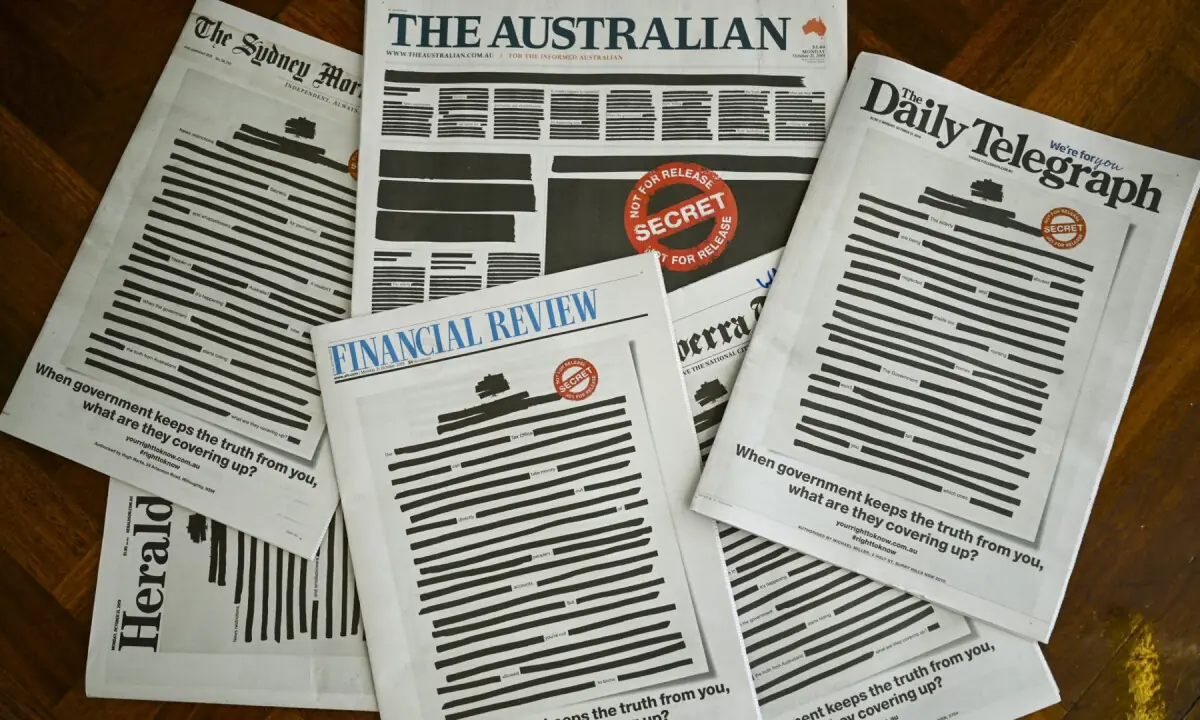
Groundbreaking changes in press regulations have sparked widespread debate among human rights defenders and journalistic bodies across the country. The recent implementation of strict foreign press travel restrictions in Pakistan has drawn sharp criticism from prominent media watchdogs, including the Human Rights Commission of Pakistan (HRCP) and the Pakistan Federal Union of Journalists (PFUJ). Under the newly enforced directives, international news personnel and foreign media crews are required to secure explicit state permission prior to traveling for reporting assignments to any location situated outside the main urban centers of Islamabad, Lahore, and Karachi. This regulatory movement has raised major concerns regarding press freedom, transparent coverage, and the overall environment for independent journalism across the nation.
Rights Bodies Express Alarm Over Growing Media Curbs
In a joint wave of concern, leading rights organizations and press unions have highlighted that these travel directives represent part of an expanding pattern of administrative controls over the media. By requiring foreign media representatives to obtain official state approval before stepping outside designated metropolitan boundaries, authorities are placing direct limits on free movement and independent gathering of news. Media watchdogs argue that such measures undermine the standard operational capabilities of international news bureaus, which rely on swift mobility to cover developing events, human interest stories, and regional developments.
Both the HRCP and PFUJ pointed out that restricting reporting access across vast portions of the country creates unnecessary operational hurdles. Journalists facing mandatory bureaucratic approval procedures may experience significant delays, making real-time reporting on critical events outside the primary administrative and provincial capitals exceedingly difficult.
Understanding the New Travel Clearance Requirements
The updated rules establish a clear geographic boundary for unrestricted foreign press movement. While international correspondents are permitted to conduct routine journalistic work within the municipal limits of Islamabad, Lahore, and Karachi without special travel permits, any assignment requiring travel beyond these three cities now falls under the state clearance mandate. To travel into peripheral districts, rural regions, or secondary cities, reporters must submit requests and await formal authorization from relevant government departments.
Journalistic bodies stress that such approval processes inherently restrict the scope of press activities. When media personnel must seek explicit permission to visit a region, the open nature of investigative reporting and spontaneous news gathering is significantly compromised.
What This Means for Ordinary Citizens
The enforcement of strict travel rules for foreign media crews has far-reaching consequences that extend beyond international news organizations, directly affecting ordinary citizens across different regions of Pakistan.
- Reduced Visibility for Regional Issues: Citizens living in smaller cities, rural districts, and peripheral regions often rely on media coverage to bring national and global attention to local challenges. When foreign correspondents face travel barriers, critical stories regarding local governance, environmental issues, economic hardship, and infrastructure deficits in non-metropolitan areas risk remaining unnoticed.
- Impact on Local Community Voices: International coverage frequently provides a platform for marginalized communities to share their perspectives on global stages. Restrictions on journalist mobility limit direct engagement between foreign press personnel and local residents, reducing the diversity of public discourse.
- Incomplete Information Dissemination: For the general public, a media landscape where foreign reporting is largely confined to three major urban centers can result in an incomplete portrayal of national dynamics, overemphasizing metropolitan events while underrepresenting the lived experiences of populations in smaller towns.
Key Concerns Highlighted by Press Freedom Advocates
Rights advocates and press organizations have outlined several specific issues stemming from the newly mandated clearance process:
- Administrative Delays: The necessity of obtaining advance state authorization creates bureaucratic bottlenecks that impede timely reporting on breaking news events.
- Shrinking Reporting Spaces: Mandating approval to access large parts of the country creates formal boundaries around areas where independent scrutiny is most needed.
- Professional Hurdles for Foreign Bureaus: International news outlets face increased logistical and administrative burdens, which may discourage deep, long-term coverage of regional affairs.
- Adverse Impact on Press Standards: Global media watchdogs view such restrictions as counterproductive to maintaining transparent media practices and international press freedom standards.
Broader Implications for Journalism and Freedom of Expression
The collective response from HRCP and PFUJ underscores a growing apprehension within the media industry regarding state oversight. Media freedom advocates emphasize that unhindered access to information and free movement are fundamental pillars of standard journalistic practice. When state permissions become a prerequisite for covering major portions of a country, the boundary between administrative regulation and content control becomes increasingly blurred.
Journalists' associations continue to emphasize the necessity of maintaining an open environment where press personnel—both local and foreign—can operate without fear of administrative friction or arbitrary travel constraints. They call for policies that respect constitutional guarantees of expression and facilitate transparent, independent journalism nationwide.
As discussions surrounding these media regulations continue to evolve, journalists, media organizations, and citizens are advised to monitor official government notices for updated operational guidelines and confirm exact travel compliance requirements through official administrative channels.
Source: Dawn News