Rethinking Wheat Import Policy in Pakistan Amid Strategic Reserve Shortfalls
Federal and provincial authorities face shifting supply dynamics as Pakistan prepares to import one million tonnes of wheat to address reserve shortfalls.
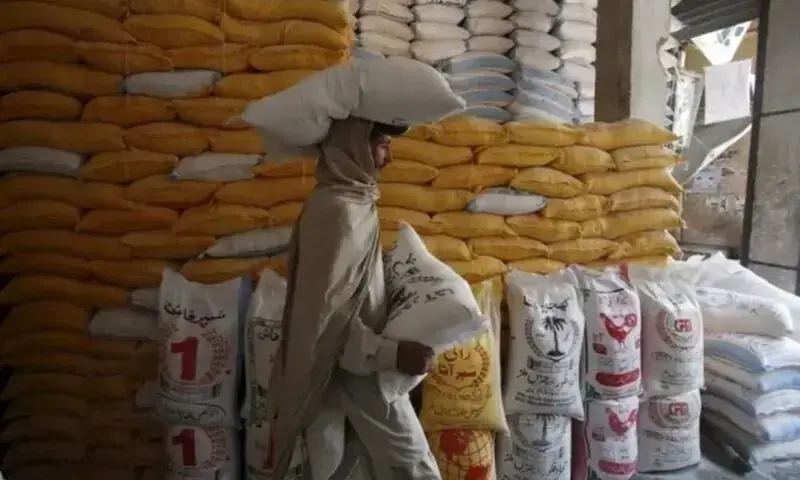
The federal government's decision to procure significant foreign grain highlights ongoing structural challenges within the broader wheat import policy in Pakistan. With strategic national reserves falling short of the required volume needed to satisfy provincial demands, authorities are moving to secure one million tonnes of wheat from international sources. This development underscores a complex supply landscape, particularly as regional requirements shift and local management strategies face renewed scrutiny across the country.
Understanding the Strategic Reserve Deficit
Strategic reserves serve as the essential backbone of national food security, functioning as a buffer against supply disruptions, price volatility, and regional production shortfalls. When central stockpiles dip below threshold targets, the federal center must intervene to ensure that individual provinces receive their mandatory quotas. The current decision to import one million tonnes reflects an immediate need to restore these federal buffers before supply constraints affect domestic markets.
What makes the current scenario particularly notable is the position of Punjab. Historically recognized as the primary agricultural hub and the country’s sole wheat-surplus province, Punjab has surprisingly requested a one-million-tonne allocation from the central government. Under typical conditions, Punjab's domestic harvest not only satisfies its own provincial requirements but also provides crucial supply surpluses to meet the deficits of other provinces. A demand of this magnitude from a traditionally self-reliant region signals underlying shifts in local procurement, storage capacity, or reserve management that demand comprehensive policy evaluation.
It is important to recognize that turning to foreign markets for grain is not an unprecedented event in the region's recent economic history. Over the past decade, Pakistan has repeatedly authorized wheat imports across several financial years to bridge recurring supply gaps. Whenever domestic yield estimates fall short or administrative procurement targets are missed, international purchases have consistently functioned as the standard policy mechanism to balance total availability.
Key Drivers Behind the Current Supply Strategy
Analyzing the factors that led to the latest import authorization provides critical insight into national agricultural governance. Rather than representing an isolated incident, the current reliance on external markets stems from a combination of reserve drawdowns and shifting provincial demands:
- Insufficient Federal Stockpiles: Central strategic reserves have dropped to levels that can no longer comfortably sustain provincial distribution commitments without foreign replenishment.
- Unusual Provincial Demands: Major agricultural regions, most notably Punjab, are seeking substantial imported allocations despite traditionally generating a harvest surplus.
- Historical Recourse to Imports: Over the last ten years, recurring financial years have seen reliance on global grain markets as a default remedy for domestic supply gaps.
- Administrative Alignment Needs: Discrepancies between official crop projections and actual federal procurement volumes necessitate intervention to avoid localized market stress.
What It Means for Ordinary Citizens
For the average household, government decisions regarding grain management directly affect everyday life, particularly concerning the cost and availability of staple food items. Wheat remains the primary dietary staple across the nation, making any disruption or adjustment in its supply chain a matter of direct public concern. When the government moves to import wheat, the primary objective is to maintain market stability and prevent sharp, disruptive spikes in the price of flour (atta) at local retail outlets.
When central authorities successfully bridge national supply shortfalls through timely imports, local markets generally experience predictable availability. This helps shield ordinary consumers from artificial shortages that often lead to panic buying or price gouging by intermediary traders. However, heavy reliance on international procurement can also place pressure on public exchequers, which ultimately influences broader economic conditions, national trade balances, and long-term fiscal planning.
Citizens relying on subsidized flour schemes or government-backed distribution programs will want to keep a close watch on how these imported quantities are distributed across provincial supply channels. While the physical arrival of foreign grain is intended to stabilize retail supplies in urban and rural centers alike, the ultimate impact on daily household budgets depends heavily on efficient logistics, fair price enforcement, and smooth provincial distribution networks.
Rethinking National Grain Governance and Storage
The necessity of importing large quantities of grain during periods of strategic deficit highlights the urgent need to re-examine national agricultural frameworks. Relying on foreign markets whenever domestic reserves run low carries continuous financial implications, particularly given global market fluctuations and currency considerations. Policymakers face growing calls to modernize grain handling practices, enhance storage infrastructure, and improve early-warning monitoring systems to better predict crop yields and provincial needs well in advance.
Addressing these recurring gaps requires seamless coordination between federal agencies and provincial food departments. By improving localized procurement mechanisms and ensuring that surplus provinces maintain robust internal reserves, the nation can build a more resilient food management ecosystem that reduces the need for emergency foreign purchases in future financial cycles.
As implementation details for the latest procurement plan develop, citizens and business operators are encouraged to check official notifications from the relevant federal ministries and provincial food departments to confirm final supply allocations and official market rates.
Source: Dawn News