PMS Officers Association Opposes New AAC Posts Creation in Punjab
The Provincial Management Service officers' association in Punjab has strongly criticized the provincial administration's move to create 101 Additional Assistant Commissioner posts, terming it an unjustified decision.
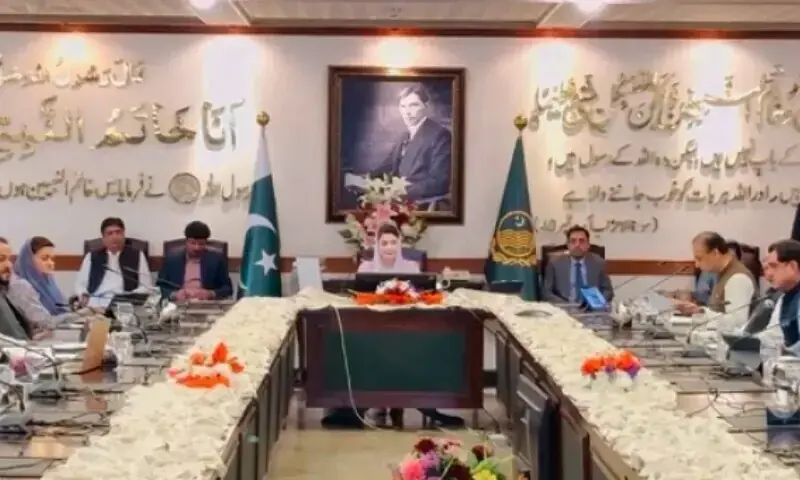
A significant administrative disagreement has surfaced within the provincial governance structure as the PMS officers Punjab association formally voices strong opposition to the provincial government’s recent plan to introduce over a hundred new executive slots. The core of the controversy centers on the decision to establish 101 Additional Assistant Commissioner (AAC) positions across various districts. Representatives from the Provincial Management Service (PMS) have publicly criticized the measure, categorizing it as an ill-advised intervention that risks eroding the established hierarchy, weakening the cadre’s institutional standing, and creating unnecessary bureaucratic redundancies within the field administration.
Core Objections to the Creation of 101 AAC Posts
According to formal statements issued by the association, the proposal to recreate 101 Additional Assistant Commissioner posts lacks both administrative justification and policy rationale. PMS representatives have described the step as a mala fide move specifically crafted to undermine the operational strength and promotion prospects of the provincial cadre. They pointed out that AAC positions were phased out and formally abolished several decades ago after thorough administrative reviews determined that existing executive roles, such as Assistant Commissioners and Deputy Commissioners, were fully capable of managing field duties. Reviving these legacy roles after such an extended period, the association argues, offers no clear public benefit and introduces friction into district management.
The association further emphasized that district governance structures have evolved significantly since the original abolition of the AAC cadre. Modern administrative frameworks rely on streamlined command channels to ensure prompt decision-making, swift resolution of public grievances, and effective enforcement of local laws. By inserting an extra tier of mid-level field administrators into district offices, the provincial authorities risk fragmenting responsibilities and creating ambiguity regarding reporting lines. Representatives of the PMS cadre maintain that instead of introducing obsolete titles, the government should focus on strengthening existing municipal and revenue frameworks through adequate operational support and capacity building.
Key Concerns Raised by the PMS Cadre
To better understand why provincial management officers are contesting the establishment of these new posts, it is helpful to look at the primary arguments highlighted by their representative body:
- Cadre Weakening: Officers view the sudden creation of 101 parallel executive roles as a direct attempt to dilute the authority and professional progression of the Provincial Management Service.
- Historical Redundancy: The AAC position was officially discarded decades ago, making its reintroduction an unnecessary step backward in administrative restructuring.
- Resource Allocation: Establishing over a hundred executive offices requires substantial fiscal expenditure for salaries, staff, vehicles, and operational logistics during a period that demands fiscal discipline.
- Procedural Overlap: Introducing additional administrative layers can lead to overlapping jurisdiction between Assistant Commissioners and newly appointed Additional Assistant Commissioners, potentially slowing down executive sanctions.
What the Administrative Dispute Means for Ordinary Citizens
While disputes over civil service postings and cadre jurisdictions often appear as internal administrative matters, they have direct ramifications for ordinary citizens who rely on government offices for daily civic services. The efficiency of district administration directly influences public service delivery, revenue record maintenance, price control enforcement, and local law-and-order monitoring.
When new executive designations are created without full consensus or operational clarity, public offices can experience transitional confusion. Citizens seeking routine approvals, land verification, or administrative redress might face longer processing times if functional duties between Assistant Commissioners and the newly proposed Additional Assistant Commissioners are not clearly demarcated from day one. Furthermore, public resources allocated to setting up 101 new executive setups—including infrastructure and support personnel—divert financial assets that could otherwise support frontline civic services, public healthcare facilities, or local infrastructure maintenance.
Effective public administration depends on clear lines of authority, motivated civil servants, and transparent governance. A prolonged standoff between provincial service officers and government decision-makers risks impacting workplace morale across field offices, which can indirectly slow down public outreach schemes and routine administrative tasks across Punjab's districts.
Current Outlook for Provincial District Management
The debate over the creation of these 101 AAC posts highlights the continuous balance required between political executive decisions and administrative cadre management. As the PMS officers’ association continues to press its demands for a review of the decision, district officials and administrative observers are closely watching how the provincial management department will respond to these grievances.
Whether the government chooses to modify, suspend, or proceed with the establishment of these positions remains subject to further executive deliberations. For accurate updates regarding civil service structural changes, public sector recruitment, and official administrative policy decisions, citizens and applicants are advised to consult the relevant provincial departments and official gazettes.
Source: Dawn News