Pakistan Set to Launch Vision Pakistan 2047 Roadmap on August 12
The federal government will officially launch the Vision Pakistan 2047 initiative on August 12, establishing a long-term development framework ahead of the nation's centenary.
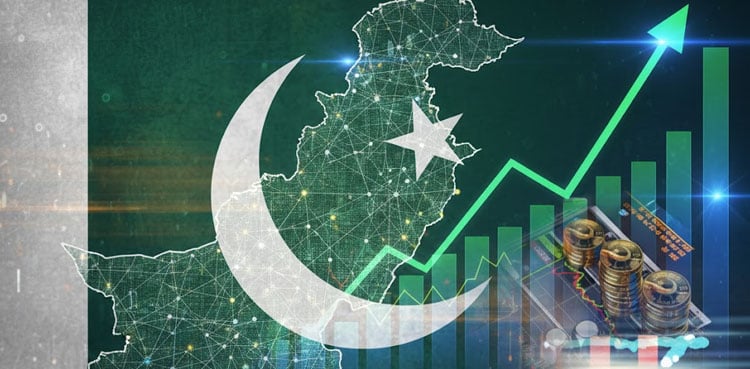
The federal government has officially slated the launch of the Vision Pakistan 2047 initiative for August 12, marking a pivotal moment in the nation's long-term policy and economic planning. As the country prepares to celebrate its centenary of independence in 2047, this high-level national initiative is designed to set a comprehensive directional framework for structural reforms, socioeconomic advancement, and sustainable growth over the coming decades. The upcoming announcement on August 12 serves as a formal starting point for a strategic agenda intended to guide consecutive administrative cycles toward unified national goals.
Understanding the Strategic Scope of Vision Pakistan 2047
Long-term strategic frameworks like Vision Pakistan 2047 are essential for aligning national priorities across fluctuating economic cycles. By establishing a target horizon aligned with the country's 100th anniversary of independence, the initiative seeks to move beyond short-term policy fixes and establish enduring benchmarks for institutional efficiency, fiscal stability, and public infrastructure development.
While the detailed policy documentation will be formally released during the official launch event, broad policy initiatives of this magnitude typically focus on standardizing public sector operations, improving resource allocation, and fostering international competitiveness. State planning agencies and administrative departments are expected to streamline their institutional objectives around this overarching framework, ensuring that local, provincial, and federal efforts reinforce one another.
Furthermore, national vision frameworks act as critical signals to local and international investors. By establishing a clear, predictable trajectory for legislative, regulatory, and financial priorities, the government aims to create a more resilient environment capable of absorbing macroeconomic shocks and attracting long-term foreign direct investment.
What Vision Pakistan 2047 Means for Ordinary Citizens
For the general public, long-term national policy blueprints directly influence everyday living standards, career opportunities, and access to essential state services. Although a overarching vision document does not immediately alter daily operations on day one, it establishes the master directives that dictate future budget allocations, municipal projects, and public welfare schemes.
The emphasis on 2047 suggests a strong focus on the upcoming generations. Citizens can expect future legislative proposals and public investments to align with modern economic realities, specifically focusing on building an adaptable workforce and expanding public access to digital and physical utilities.
Key areas where ordinary citizens will likely feel the multi-year impact of the strategy include:
- Employment and Workforce Modernization: Strategic focus on aligning vocational training and higher education curricula with global market demands, digital trades, and industrial innovation.
- Public Infrastructure and Utilities: Long-term commitments toward expanding transportation networks, improving urban planning, and upgrading national energy and water management systems.
- Digital Governance and Public Access: Transitioning core municipal and federal administrative services to digital platforms to enhance transparency, minimize bureaucratic delays, and reduce processing costs.
- Healthcare and Social Safety Net Upgrades: Restructuring public health networks and social protection mechanisms to ensure broader coverage for vulnerable economic segments.
- Economic Stability and Purchasing Power: Implementing structural fiscal measures aimed at curbing inflation, encouraging domestic manufacturing, and strengthening overall household financial stability.
Core Priorities and Implementation Expectations
The successful execution of an ambitious policy such as Vision Pakistan 2047 relies heavily on robust implementation mechanisms and multi-sector cooperation. Observers and policy analysts will be closely monitoring the August 12 launch to evaluate the specific key performance indicators (KPIs) and operational timelines established by the government.
A critical component of any multi-decade development strategy is legislative continuity. For the policy objectives to yield tangible results, the administrative frameworks outlined in the vision must transcend single electoral terms, providing stable guidelines that successive governments can adapt and maintain. Institutional accountability, clear target metrics, and periodic progress reporting will serve as the primary gauges of the initiative's ultimate success.
Verification and Official Communication Channels
As the August 12 launch date approaches, citizens, job seekers, and business operators are advised to rely strictly on verified public notifications regarding specific schemes, grants, or sub-programs connected to the broader vision. Major national policy rollouts often prompt public interest, making it crucial to distinguish between official government announcements and unverified third-party claims.
Detailed operational documents, sector-specific targets, and official policy manuals are expected to be published on official federal ministry portals immediately following the formal launch event. The general public should confirm all official criteria, operational details, and administrative guidelines directly through authorized government channels.
The scheduled launch on August 12 represents a strategic effort to reset and realign national priorities for the next quarter-century. As official documentation becomes publicly accessible, a detailed assessment of specific sectoral targets will provide clearer insights into the practical changes ahead for Pakistan's economic and social landscape.
Source: ARY News