Pakistan's Water Crisis: Rising Agricultural Debt and Depleting Storage
Pakistan faces a severe dual water emergency with shrinking reservoir levels and rapid groundwater depletion, escalating financial stress across the farming sector.
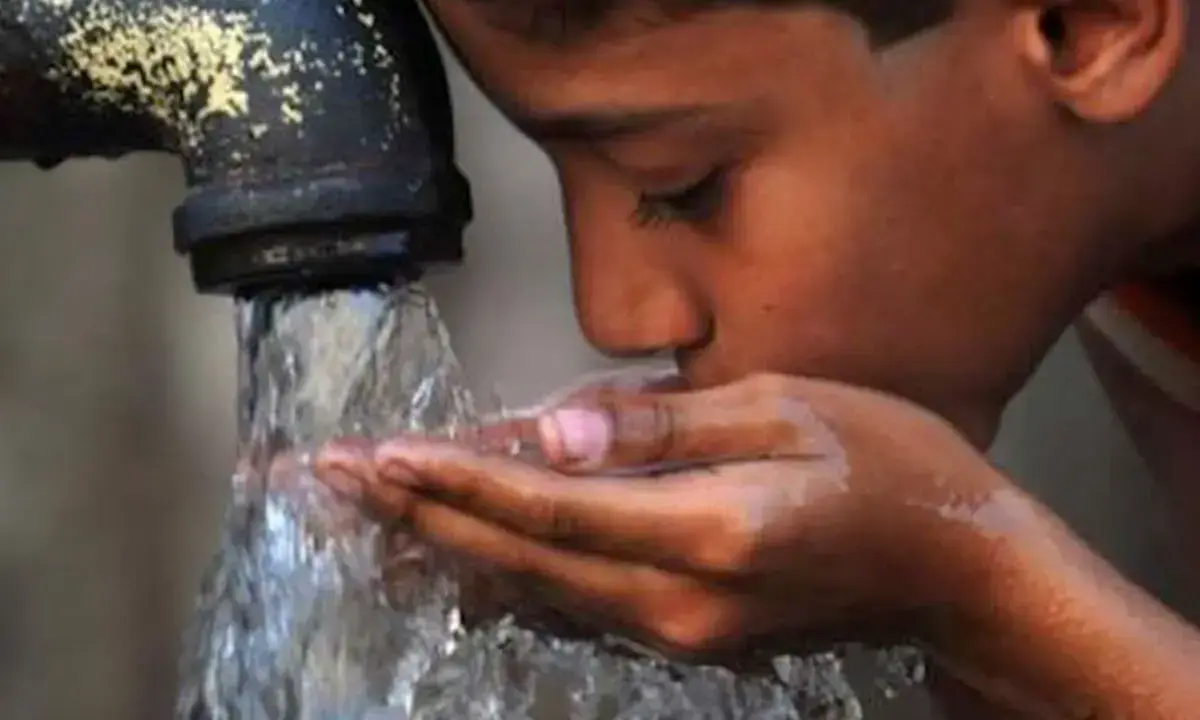
The intensifying water crisis in Pakistan has reached a pivotal juncture, threatening national food security and forcing rural communities into an unsustainable spiral of debt. As surface storage options shrink and underground aquifers recede at an alarming rate, the agricultural backbone of the economy is undergoing severe strain. Farming families who depend on predictable seasonal flows now face unprecedented uncertainty, balancing higher input costs against dwindling water availability. Addressing this structural challenge requires a clear understanding of how resource scarcity directly fuels socio-economic hardship across agrarian belts.
The Growing Dual Water Emergency: Surface and Groundwater Depletion
Pakistan is grappling with a two-pronged water emergency that impacts both visible surface storage and hidden subterranean reserves. On the surface, primary water retention infrastructure is failing to meet national demands. During early 2025, major water storage facilities, specifically the Tarbela and Mangla reservoirs, dropped to critical thresholds, approaching or reaching their dead storage levels by March 2025. When primary reservoirs hit dead storage, canal networks receive significantly reduced inflows, sharply curtailing the volume of water available for seasonal crop irrigation.
Simultaneously, the secondary line of defense—groundwater—is being exploited beyond natural replenishment rates. Driven by the insufficiency of canal water delivery, growers have increasingly turned to heavy tube-well pumping. This continuous extraction has dramatically lowered water tables across major agricultural regions. The persistent decline in subsoil water levels means pumps must operate deeper, requiring significantly more energy and capital investment simply to extract the same volume of water that was once readily accessible near the surface.
Capacity Shortfalls and the International Benchmark
The severity of the water deficit becomes strikingly clear when evaluating national storage capacity against global indicators. Currently, Pakistan maintains a water storage buffer estimated at approximately 30 days. In sharp contrast, the accepted international benchmark for water storage capacity stands at roughly 120 days. This substantial shortfall leaves the country exceptionally vulnerable to climate fluctuations, seasonal dry spells, and delayed river flows.
Without an adequate operational buffer, even minor shifts in rainfall patterns or delayed snowmelt can trigger severe distribution shortfalls. When storage capacity is limited to a single month, agricultural planning becomes highly volatile. Farmers are left with virtually no safety margin when preparing land, sowing seeds, or maintaining crucial watering schedules during peak growth phases.
How Scarcity Drives a Vicious Cycle of Rural Debt
The financial mechanics connecting resource depletion to rural poverty are straightforward yet devastating for smallholders. When surface canals run dry due to low reservoir levels, farmers are forced to buy fuel or electricity to run deep-well pumps. The rising cost of energy, coupled with the necessity of drilling deeper tube wells, drastically increases the baseline cost of production for every acre cultivated.
To cover these escalating operational expense demands, many small-scale growers must borrow capital prior to the planting season. However, when water availability remains uncertain or unreliable, crop yields frequently fall short of projections. Lower yields yield reduced market returns, leaving farmers unable to settle their initial loans. To survive until the next harvest cycle, cultivators are often forced to take on additional debt, creating a compounding cycle of financial obligation that spans generations and strips rural families of their economic resilience.
What the Water Emergency Means for Ordinary Citizens
While the immediate impact of reduced irrigation is felt in rural fields, the consequences of this resource crisis extend directly into urban households and everyday consumer life across the country. Water scarcity is not solely an agricultural issue; it is a broad economic challenge that influences daily living standards.
- Escalating Food Inflation: Reduced agricultural yields directly translate to supply shortages in basic food commodities, driving up retail prices for staple grains, vegetables, and dairy products in local markets.
- Urban Water Stress: The depletion of regional aquifers affects municipal supply systems, causing reduced piped water availability, lower pressure, and increased reliance on private water tankers in major urban centers.
- Economic Instability: As agricultural productivity drops, rural purchasing power diminishes, which depresses broader trade activity, affects textile and processing industries, and places additional burden on public welfare support systems.
- Water Quality Concerns: Lower groundwater tables frequently lead to higher concentrations of minerals and contaminants in remaining supplies, increasing health risks and treatment costs for drinking water.
Key Factors Defining Pakistan's Water Security Challenge
Understanding the full scale of the situation requires examining the core structural vulnerabilities currently affecting the national water network:
- Minimal Storage Reserves: Operating with approximately 30 days of storage capacity compared to the 120-day global benchmark.
- Reservoir Depletion: Major facilities like Mangla and Tarbela reaching near-dead or dead storage status during critical seasonal transitions, such as March 2025.
- Overreliance on Groundwater: Unregulated pumping causing rapid decline in subterranean water tables nationwide.
- High Production Costs: Increased energy demands for deep-well pumping inflating overall farm operational expenses.
- Compounded Rural Debt: Reduced crop yields preventing debt clearance and trapping farming households in poverty.
Addressing Strategic Management and Sustainable Solutions
Overcoming the structural challenges associated with water scarcity requires a multi-faceted approach involving policy reform, modern infrastructure, and efficient management practices. Transitioning toward high-efficiency irrigation systems, such as drip and sprinkler mechanisms, can significantly reduce the volume of water required per crop cycle. Furthermore, implementing clear regulatory frameworks for groundwater abstraction is essential to prevent permanent damage to national aquifers.
Strategic focus must also center on enhancing storage infrastructure, improving canal lining to reduce transit losses, and encouraging the adoption of climate-resilient crop varieties that require less moisture. Combining physical infrastructure enhancements with targeted financial support for smallholders can help break the reliance on emergency borrowing and build long-term stability within the agricultural framework.
Staying Informed Through Verified Channels
As discussions regarding water management, agricultural support policies, and rural relief measures continue to evolve, citizens and agricultural stakeholders are advised to monitor official announcements from relevant state bodies. Detailed specifications, relief distribution schedules, and policy updates should always be verified directly through official government portals and designated provincial department notifications to ensure accurate and authoritative information.
Source: Dawn News