Pakistan's Uncounted Labour: Understanding the Impact of Unpaid Work
An in-depth analysis of Pakistan's uncounted care sector and domestic labor, highlighting its critical role in sustaining daily national economic productivity.
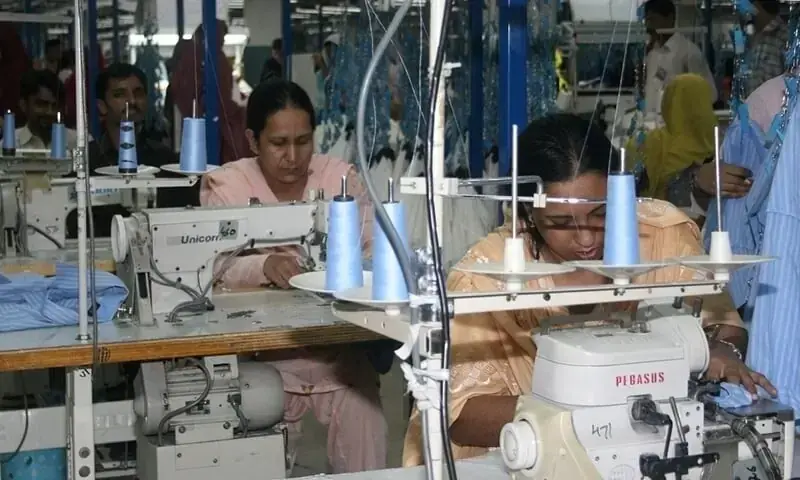
When economic performance, trade balances, and national growth estimates are debated across mainstream policy forums, public attention almost always centers on recorded financial figures and formal commercial activity. However, a massive portion of national productivity remains largely unmeasured in standard gross domestic product frameworks: the unpaid economy in Pakistan. Long before urban commercial centers open their doors and government offices begin their daily operations, millions of citizens across rural villages and bustling urban neighborhoods are hard at work. From managing small livestock holdings and processing perishable farm goods to maintaining household care networks, these indispensable tasks keep the country functioning without ever showing up on official economic ledgers.
The Hidden Engine Driving National Productivity
The traditional approach to economic measurement relies almost entirely on recorded financial transactions. When a worker earns a formal wage or a company logs a business sale, statistical systems easily capture the movement of money. Yet, this narrow definition creates a major blind spot regarding the vital labor performed inside homes and family farms. Without the regular, uncompensated work of preparing daily meals, maintaining family dwellings, tending to children, and supporting elderly relatives, the formal workforce simply could not operate efficiently. In practice, this unrecorded care sector acts as a constant baseline support system that keeps the country's primary workforce healthy, resilient, and capable of daily economic output.
In rural communities, this reality is particularly evident. Early morning routines frequently involve heavy physical labor well before the formal business day begins. Family members feed livestock, milk dairy animals, collect fuel, and manage small agricultural plots. These early tasks contribute directly to household food security and regional market supply chains. However, because these daily efforts take place within domestic arrangements rather than through formal employer-employee contracts, standard economic surveys routinely categorize them as non-market activities or omit them entirely from national accounts.
Key Pillars of Unrecorded Domestic and Informal Work
Understanding how uncounted work underpins daily life requires a closer look at the routine responsibilities taken on by household members. While the exact nature of these duties varies between urban environments and rural districts, several common elements define this essential domestic production:
- Agricultural and Livestock Upkeep: Smallholder farming reliance on unpaid family labor to manage livestock, collect fodder, and process dairy products at dawn.
- Comprehensive Domestic Caregiving: Managing household health, nutritional planning, and sanitation, which directly ensures the continuous readiness of the formal labor pool.
- Elderly and Infirm Support: Providing long-term home care for aged family members and chronic patients in communities where public care facilities remain limited.
- Essential Resource Collection: Spending vital daily hours fetching potable water, securing heating fuels, and managing basic utility interruptions in underserved regions.
- Community-Level Mutual Assistance: Organizing informal neighborhood support networks, local sanitation efforts, and communal welfare activities without formal funding.
What It Means for Ordinary Citizens
For ordinary citizens, the persistent omission of the unpaid economy in Pakistan from major policy calculations has practical consequences for personal well-being and local development. When government statistics fail to capture the real extent of domestic care and informal labor, developmental planning and resource distribution often miss their intended targets.
First, public investment decisions regarding municipal infrastructure—such as piped water connections, localized energy grids, and community transport links—are often designed without factoring in how much time individuals lose to basic domestic survival tasks. If a neighborhood lacks reliable tap water or clean cooking fuel, family members must spend multiple uncompensated hours every single day gathering these basic necessities. If municipal planning accounted for the economic value of this lost time, investments in basic utilities would be recognized as high-yield economic drivers that free up essential human capital for education, formal employment, and personal development.
Second, formal social protection schemes and financial inclusion initiatives frequently overlook individuals whose contributions take place outside traditional wage structures. Without documented proof of income or standard employment histories, caregivers and family micro-contributors face steep barriers when trying to open bank accounts, access business credit, or join formal pension schemes. Recognizing the monetary value embedded in household production enables policymakers to create more inclusive social safety nets, micro-finance programs, and community assistance schemes that protect domestic workers and informal producers.
Bridging the Gap in Future Policy Frameworks
Modern economic research increasingly highlights the importance of adopting satellite accounts and comprehensive time-use surveys to measure non-market labor. By systematically documenting how citizens split their daily hours between paid employment, domestic duties, and personal skill development, national planning institutions can build a far clearer picture of true economic output and structural productivity gaps. Integrating these insights into broader development strategies allows public policy to evolve from simple GDP tracking into a nuanced instrument for sustainable human development.
Bringing unmeasured labor into official economic discourse is not merely an academic exercises; it is a fundamental requirement for fair fiscal planning and effective public service delivery. As national economic conversations shift toward structural modernization, fully acknowledging the value of unpaid work remains a crucial step toward building an inclusive economy that serves every household.
To stay updated on official economic data releases, policy updates, and verified public sector announcements, readers are advised to regularly check official publications from national statistical authorities and relevant government planning bodies.
Source: Dawn News