Mir Raza Ali Case: CCTV Footage Delivers Crucial Breakthrough for Investigators
Law enforcement personnel investigating the high-profile Mir Raza Ali case have secured a vital lead after reviewing CCTV footage, marking significant progress in the ongoing inquiry.
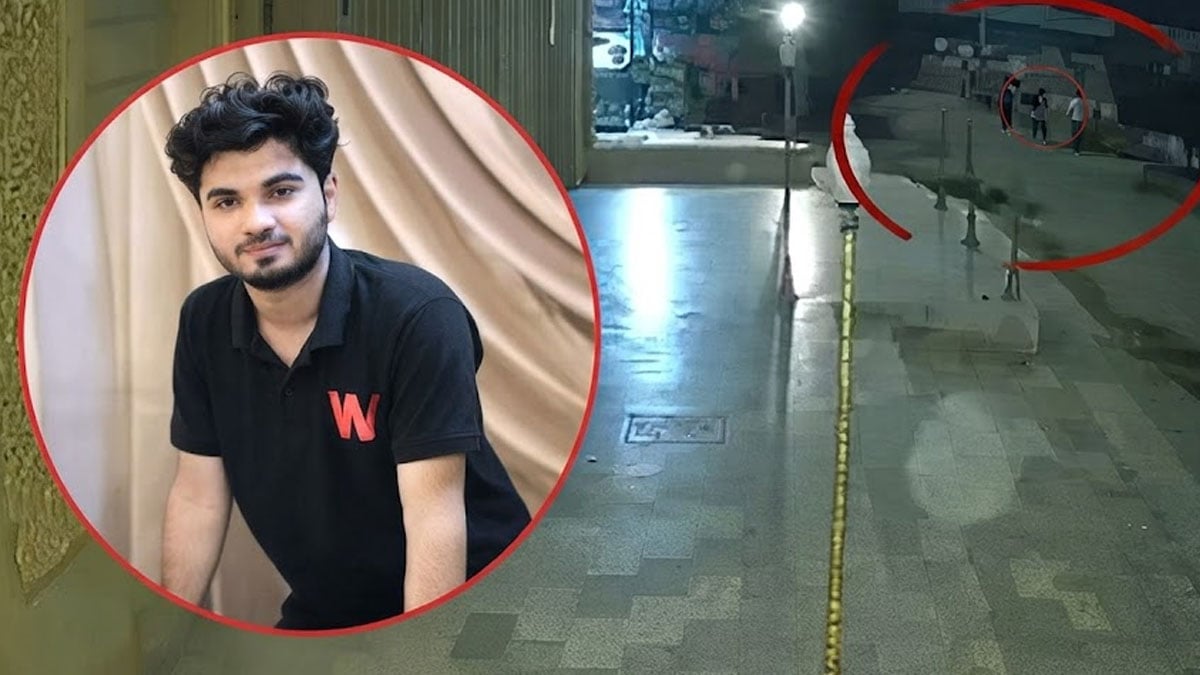
Investigative authorities tracking the high-profile Mir Raza Ali case CCTV lead have secured a pivotal breakthrough following the careful extraction and analysis of security camera footage. The newly acquired visual evidence has provided law enforcement personnel with a clear direction in establishing the sequence of events surrounding the incident. As digital infrastructure becomes increasingly central to public safety across Pakistan, this latest development underscores the growing reliance on closed-circuit television networks to solve complex criminal and investigative inquiries.
Investigative Progress and the Role of Visual Evidence
The discovery of the fresh visual lead comes after days of intensive field work and technical coordination by special inquiry units. Investigators working on the Mir Raza Ali case focused their efforts on gathering digital records from commercial premises, public thoroughfares, and private residential security systems in the vicinity of the site. By piecing together disjointed video clips, officials managed to reconstruct a chronological timeline that highlights key moments relevant to the investigation.
While law enforcement agencies have refrained from releasing full technical specifics to safeguard the integrity of the ongoing probe, senior officials confirm that the footage offers concrete pointers regarding movement patterns and timing. Specialized forensic experts are currently reviewing the video quality to enhance visual clarity, verify timestamps, and match registered details against central databases. Citizens following the matter are advised that formal disclosures will be made through official departmental briefings as the inquiry progresses further.
How CCTV Networks Assist Modern Criminal Inquiries
The integration of video surveillance into municipal monitoring systems and urban security frameworks has transformed the operational landscape for investigative bodies across major cities. In complex cases, visual records act as neutral, objective evidence that can validate or refute preliminary assumptions formed during initial site inspections.
Key advantages that surveillance networks provide to law enforcement teams during active probes include:
- Timeline Verification: Establishing exact timestamps for the arrival and departure of individuals or vehicles involved in an incident.
- Route Mapping: Tracking the movement trajectories of suspect vehicles across multiple urban intersections and transit corridors.
- Corroboration of Statements: Cross-referencing testimonies provided by witnesses or informants with physical visual evidence.
- Forensic Documentation: Providing standardized digital records that can be presented before judicial forums to support formal charges.
By leveraging both government-managed Safe City infrastructure and private security feeds, investigators can narrow down their focus, reduce reliance on guesswork, and execute targeted operations to apprehend individuals of interest.
What This Means for Ordinary Citizens
For the general public, developments in high-profile investigations serve as an important reminder of the civic role played by community-level surveillance and responsible digital citizenship. The reliance on video evidence highlights how private property owners and local businesses contribute directly to neighborhood safety simply by maintaining functional, correctly configured security cameras.
Citizens looking to support broader public safety and municipal security efforts should keep the following considerations in mind:
1. Maintaining Functional Security Cameras
Property owners with external-facing cameras are encouraged to regularly inspect their recording devices, ensure accurate system time settings, and maintain adequate digital storage capacity. Clear, high-definition footage facing public walkways or access roads often proves invaluable during unexpected civic emergencies or police inquiries.
2. Avoiding Speculation and Unverified Media Reports
High-profile cases frequently trigger waves of unverified speculation on social media channels. Circular sharing of edited video clips or premature claims can hinder formal police efforts, compromise witness privacy, and cause unnecessary public alarm. Readers are urged to rely exclusively on updates published by authorized departmental spokespersons and established news outlets.
3. Cooperating with Law Enforcement Inquiries
When investigative personnel conduct door-to-door inquiries or request access to security feeds, public cooperation ensures that crucial evidence is preserved before overwritten by automated recording systems. Timely sharing of footage accelerates the pace of justice and helps secure local communities.
Ensuring Transparency and Official Verification
As the Mir Raza Ali case proceeds, investigative teams are expected to complete forensic cross-examinations before presenting their findings to the relevant judicial authorities. Members of the public following civic developments, public safety updates, and legal news are encouraged to check official police bulletins or verified departmental portals for accurate status reports rather than relying on unconfirmed commentary online.
Source: ARY News