Iranian Ministry Responds to Trump Analogy, Calling Iranians Chess Players
The Iranian foreign ministry countered comments by Donald Trump by comparing Iran's diplomatic strategy to professional chess, emphasizing patience and long-term calculation in statecraft.
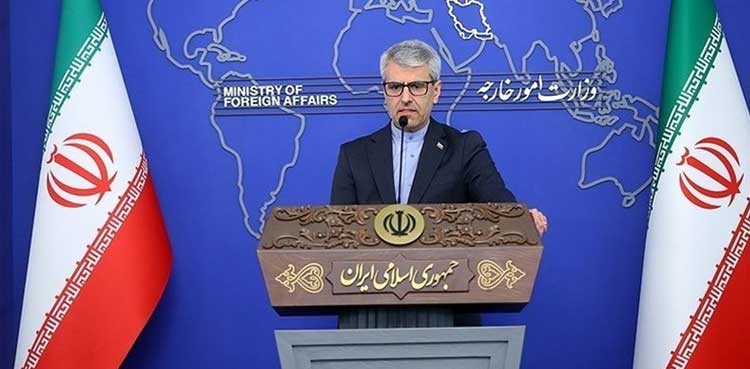
The official Iranian ministry response to Trump analogy remarks has drawn significant global attention, with diplomatic spokespersons characterising Iranian strategists and negotiators as professional chess players in international statecraft. This vivid metaphorical counter came following political commentary by former US President Donald Trump, highlighting the sharp contrast in diplomatic styles, strategic patience, and regional geopolitical communication between the two nations.
Understanding the Diplomatic Metaphor of Professional Chess
In international relations, public rhetoric often serves as a tactical tool to signal intent, demonstrate resilience, and shape international public opinion. The reference to chess is particularly resonant in Middle Eastern foreign policy narrative, as the game historically symbolizes deep foresight, meticulous planning, calculated sacrifices, and multi-layered strategic thinking. By comparing statecraft to a grandmaster-level chess match, diplomatic representatives aim to project an image of deliberate, long-term state strategy that avoids impulsive maneuvers.
Political analysts note that high-stakes international negotiations rarely unfold in simple, linear steps. Instead, global powers often engage in complex position-building, maneuvering through economic sanctions, alliance-building, and indirect signaling. The characterisation of Iranian foreign policy as a calculated game of chess suggests that decision-makers in Tehran view foreign relations through a lens of tactical endurance, carefully weighing every move against potential counter-moves from global adversaries.
Key Diplomatic Objectives Behind Public Statements
Public statements issued by foreign ministries during periods of heightened tension typically carry multiple layers of strategic meaning. Rather than responding solely to immediate comments, these statements perform specific roles on the global stage:
- Strategic Messaging: Reaffirming to regional allies and global powers that national policy is driven by long-term objectives rather than reactive decisions.
- Cultural Identity in Diplomacy: Drawing upon historical and cultural heritage to articulate national pride and diplomatic capability during international disputes.
- Negotiation Positioning: Establishing a firm posture prior to any formal or informal diplomatic dialogue, signaling that complex maneuvers will be required to achieve compromise.
- Deterrence and Perception Management: Shaping domestic and foreign public perception by framing state leadership as composed, patient, and tactically sophisticated.
What International Rhetoric Means for Ordinary Citizens
While high-level diplomatic exchanges between major nations often take place in newsrooms and formal foreign ministry press briefings, the underlying geopolitical realities have direct consequences for everyday people both within the region and globally. Rhetoric between state actors typically reflects the underlying temperature of international relations, which in turn influences international trade, economic stability, and regional security.
For ordinary citizens, ongoing diplomatic standoffs and intense rhetoric can impact everyday life in several tangible ways:
Economic and Market Stability: Rhetorical exchanges between major global figures frequently cause temporary volatility in international energy markets, foreign exchange rates, and commodity pricing. When diplomatic tensions escalate, global oil prices can fluctuate, which directly influences fuel costs, shipping rates, and everyday consumer inflation across developing and developed economies alike.
Travel and Expatriate Security: Public diplomatic posturing often correlates with changes in consular advice, visa processing delays, and regional security warnings. Citizens living abroad, international workers, and business travelers must remain vigilant and monitor official travel advisories when political language becomes increasingly sharp between nations.
Sanctions and Trade Flow: Long-term strategic friction between governments frequently leads to economic sanctions, financial trade restrictions, and supply chain disruptions. These policy measures directly affect local businesses, access to imported goods, and foreign investment opportunities that drive employment and infrastructure development.
Monitoring Official Channels for Policy Updates
Given the rapid pace of international news and the potential for misinterpretation of rhetorical statements, citizens and observers are encouraged to verify information through verified channels. Official announcements regarding foreign policy shifts, travel advisories, and trade regulations should always be cross-referenced with official foreign ministry publications, embassy notices, and recognized international news agencies.
As international diplomatic dynamics continue to evolve, observer analysis suggests that public statements will remain a vital indicator of underlying diplomatic positioning. Understanding the strategic intent behind foreign ministry commentary allows citizens to better comprehend the complex global events shaping international peace, economic conditions, and regional stability.
Source: ARY News