Heavy Monsoon Rains in Punjab Cause Fatalities and Severe Inundation
Torrential monsoon rains across Punjab have caused severe urban flooding, disrupted traffic, and resulted in tragic casualties in several cities, including Lahore.
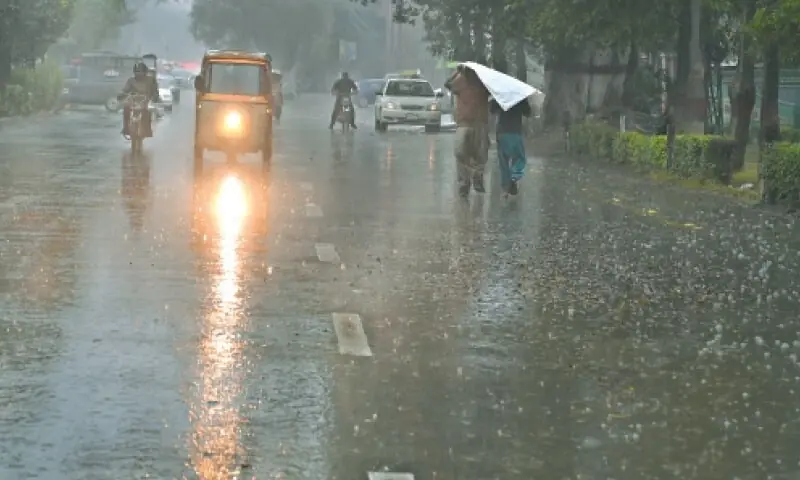
The recent spell of torrential monsoon rains in Punjab has caused widespread disruption, severe urban flooding, and tragic casualties across the province. Heavy downpours over recent days have inundated main thoroughfares, submerged low-lying residential neighborhoods, and severely restricted public movement. Major urban centers, including Lahore, experienced major standing water on primary roads, leading to prolonged traffic bottlenecks and significant difficulty for daily commuters. Emergency responders were deployed across several cities as rising water levels strained local municipal drainage systems.
Loss of Life and Incidents Reported Across Districts
The intense downpours resulted in multiple tragic accidents across various parts of the province. At least three people lost their lives, while three others sustained injuries in rain-related incidents during the recent storm cycle. Vulnerable structures, temporary roofs, and old walls often face heightened risk during heavy monsoon downpours, leading to localized collapse hazards. Local emergency teams rushed to provide aid to the affected individuals, while hospital administrations remained on high alert to handle any further incoming casualties resulting from storm activity.
Widespread Urban Flooding and Drainage Challenges
Precipitation recorded by meteorological monitors aligned with earlier warnings issued by the Flood Forecasting Division (FFD) of the Pakistan Meteorological Department (PMD). The weather body had previously signaled the arrival of strong monsoon systems capable of delivering heavy rainfall spells across central and upper Punjab. In Lahore, key arterial roads and residential sectors saw rapid accumulation of rainwater, which inundated lower floors of buildings, disrupted electrical infrastructure, and slowed public transportation to a near standstill.
What This Means for Ordinary Citizens
For common residents across affected districts, the continuous rainfall creates several immediate hazards and daily logistical hurdles. Navigating flooded streets poses severe safety risks, particularly where submerged potholes, open manholes, or downed electrical wires remain hidden beneath standing water. Daily activities, school commutes, and commercial operations are frequently delayed or halted entirely until municipal authorities can dewater affected areas.
Practical Impact on Daily Life
- Commute Disruptions: Key urban roads may become temporarily impassable, requiring commuters to plan alternative routes or delay non-essential travel.
- Health and Sanitation Risks: Stagnant rainwater in residential lanes increases the likelihood of waterborne diseases and provides breeding grounds for mosquitoes.
- Property and Structure Damage: Inundation in low-lying residential sectors can cause structural weakening of older buildings and damage household belongings.
- Utility Interruptions: Power outages and temporary disruptions to clean water supply lines often accompany heavy downpours due to safety shutdowns or line faults.
Recommended Precautionary Measures
During intense weather events, citizens are strongly advised to exercise caution and adhere to standard safety protocols to minimize risks to life and property.
- Avoid touching electrical poles, outdoor wiring, and exposed metallic structures during or immediately after rain.
- Refrain from driving or walking through deep standing water, as road surfaces may be damaged or washed out underneath.
- Ensure roof drains and gutter systems are clear of debris to prevent water buildup on residential properties.
- Keep emergency contact numbers handy, including local disaster management and medical response helplines.
- Follow official weather advisories issued by national and provincial disaster management authorities before planning long-distance travel.
As the monsoon season continues to impact various regions, residents should stay updated through official weather bulletins and report urban drainage blockages or severe structural hazards to their respective local city administrations promptly.
Source: Dawn News