Evolving Industrial Relations in Pakistan and Modern Workplace Dynamics
The landscape of industrial relations in Pakistan is shifting from legacy union tactics toward modern, law-based negotiations. This article explores how changing workplace dynamics affect workers, management, and employment rights.
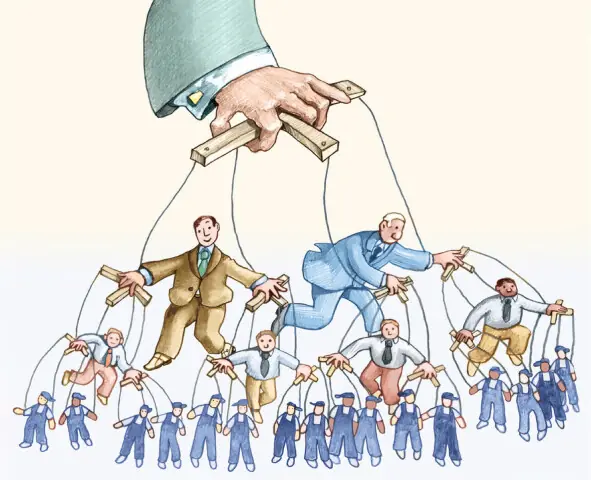
The landscape of industrial relations in Pakistan is experiencing a fundamental transformation, driven by changing economic realities, modern management practices, and evolving workforce expectations. For decades, the national industrial sector was largely characterized by confrontational labor dynamics, where influential union leaders relied on emotive speeches, public rallies, and aggressive posturing to negotiate with factory owners and corporate management. Today, those traditional methods are increasingly giving way to structured dialogue, legal compliance, and strategic negotiation tailored to contemporary workplace standards.
The Shift From Confrontational Leadership to Strategic Dialogue
Historically, labor movements across major industrial hubs relied heavily on charismatic individual figures. These union heads often built strong personal followings through passionate rhetoric and public demonstrations. While this approach brought visibility to worker demands during critical historical periods, it frequently resulted in prolonged workplace deadlocks, reduced factory output, and deeply adversarial relationships between management and labor forces.
In the contemporary corporate and manufacturing environment, this personal and confrontational style of leadership is becoming far less effective. Employers, regulatory bodies, and workers themselves are prioritizing long-term operational stability, institutional dispute resolution, and clear legal frameworks over theatrical standoffs. Modern labor advocacy is increasingly expected to focus on labor laws, economic constraints, international supply chain requirements, and statutory compliance rather than relying solely on political leverage or public agitation.
Key Drivers Reshaping the Industrial Relations Framework
Several systemic factors have accelerated the movement away from legacy labor union practices toward a modern industrial framework. Understanding these factors provides clear insight into how workplaces across various sectors are restructuring their operational and employee-relations strategies.
- Focus on Legal Compliance and Formal Grievance Redressal: Workplace disputes are increasingly handled through formalized channels, labor courts, and statutory dispute-resolution mechanisms rather than sudden strikes or informal pressure tactics.
- Integration with Global Supply Chains: International buyers and trade standards mandate strict adherence to occupational safety, fair wage distribution, and certified working conditions, compelling local industries to adopt transparent labor practices.
- Transition Toward Skill-Based Value Creation: As technology and modern processes enter manufacturing and service sectors, employee leverage is shifting from collective physical disruption to technical competence and specialized skills.
- Emphasis on Mutual Economic Viability: Modern negotiation strategies emphasize workplace sustainability, recognizing that the long-term welfare of employees is tied directly to the operational health and financial stability of the enterprise.
- Institutional Rather Than Individual Representation: Representation is moving toward structured worker committees, elected health and safety representatives, and formal human resource channels rather than relying entirely on individual union figureheads.
What These Changes Mean for Ordinary Citizens and Workers
For ordinary factory workers, corporate staff, and job seekers across the country, this ongoing evolution carries direct practical consequences for daily employment conditions, career growth, and workplace security. Understanding these shifts helps employees navigate their careers with greater awareness and confidence.
First, the transition away from disruptive labor disputes reduces the frequency of sudden factory closures, work stoppages, and resulting wage interruptions. A more stable industrial environment provides workers with steady income streams and safer, more predictable daily operating conditions. Second, as workplaces align with modern regulatory standards, employees gain better access to formalized benefits, including statutory social security coverage, healthcare support, and pension registration administered by provincial government institutions.
However, this changing environment also places new expectations on individual workers. With union influence shifting from political posturing to professional representation, individual career progression increasingly depends on skill acquisition, productivity, and an understanding of statutory workplace rights. Workers are encouraged to prioritize formal employment contracts, performance standards, and legal literacy as the primary safeguards of their job security.
Because specific entitlements, minimum wage notifications, and dispute resolution procedures vary across different industries and provinces, citizens should always verify their rights through official labor department portals and relevant state agencies. Remaining informed through verified government notifications ensures that workers can effectively claim their statutory benefits and protections.
Looking Ahead: Building Balanced Workplaces
The evolution of industrial relations in Pakistan reflects a broader movement toward professionalized, fair, and sustainable employment ecosystems. As workplace practices continue to mature, the primary focus must remain on fostering collaborative environments where commercial growth and worker welfare advance together. Stakeholders across all industrial sectors are encouraged to stay updated on statutory labor policies, social security enrollment procedures, and official workplace safety guidelines published by relevant authorities.
Source: Dawn News