Double-Tap Terrorist Attacks Highlight LEA Tactical Training Gaps
Evolving tactics by militant groups, including two-stage ambushes, highlight the urgent need to address tactical training gaps within Pakistan's law enforcement agencies.
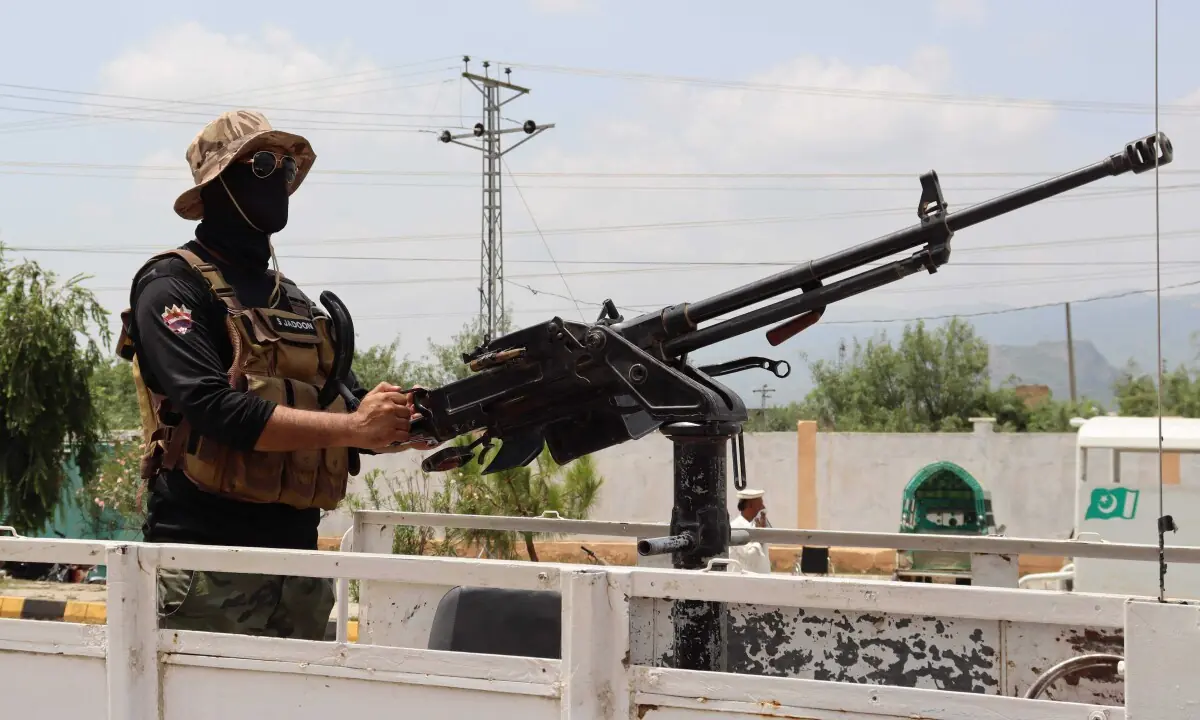
As intelligence-based counterterrorism operations intensify across key regions, security analysts and observers are pointing to a concerning evolution in militant strategy: the rise of double-tap terrorist attacks. These two-stage ambushes are specifically designed by hostile miscreants to target primary responders, security forces, and secondary operational units arriving at initial blast or conflict sites. By staging a secondary strike shortly after an initial ambush, attackers aim to inflict maximum casualties and create widespread chaos among responding teams.
Despite prior awareness of these evolving tactics and a history of similar incidents resulting in heavy operational losses, the continued vulnerability of law enforcement personnel highlights a lingering gap in field readiness and training protocols. Bridging these tactical shortcomings has become an urgent priority for security agencies striving to protect both their frontline officers and the civilian population.
Understanding the Mechanics of Two-Stage Assaults
The shift toward two-stage ambushes represents a deliberate tactical adaptation by militant groups operating against state security forces. In traditional engagements, frontline units react immediately to an initial blast or firearm confrontation by converging on the scene to secure the area, evacuate injured personnel, and neutralize immediate threats. However, aggressive miscreants are increasingly exploiting these standard response procedures.
By deliberately delaying a second strike—often utilizing secondary explosive devices, concealed snipers, or follow-up suicide bombers—attackers exploit the crowded, unpredictable conditions that follow an initial event. This pattern aims not only to maximize loss of life among frontline responders but also to disrupt command structures, slow down medical evacuation efforts, and erode public confidence in law enforcement capabilities.
Counterterrorism specialists emphasize that countering double-tap terrorist attacks requires shifting from conventional rapid-response drills to sophisticated risk-assessment methodologies. Without immediate perimeter sweeps, drone surveillance, and strict cordon controls prior to the entry of secondary response units, frontline forces remain exposed to secondary strikes.
Identifying Tactical Training Gaps in Law Enforcement
The persistence of casualties under these specific conditions underscores critical vulnerabilities within the operational doctrine and tactical training of Law Enforcement Agencies (LEAs). While intelligence-based operations (IBOs) have achieved notable successes in dismantling militant cells, frontline tactical execution during post-incident management requires comprehensive modernization.
Several factors contribute to these ongoing tactical gaps during high-risk counterterrorism operations:
- Rigid Incident Response Routines: Conventional training often prioritizes swift deployment to the immediate impact zone over securing broader perimeters first.
- Inadequate Pre-Entry Reconnaissance: Shortages in real-time surveillance tools, such as tactical drones or specialized detection equipment, impede officers from identifying hidden follow-up hazards.
- Inter-Agency Communication Bottlenecks: Coordination delays between initial responding personnel and secondary tactical support teams can lead to uncoordinated movements in danger zones.
- Limited Counter-Ambush Drills: Routine training programs frequently lack scenarios that simulate layered, multi-stage attacks in dense or complex environments.
Addressing these shortcomings necessitates standardizing updated tactical guidelines across all law enforcement tiers. Officers must be trained to anticipate secondary ambushes as a standard operational constraint rather than an isolated anomaly.
What This Threat Means for Ordinary Citizens
While two-stage ambushes primarily target frontline security personnel and emergency responders, the broader implications for the general public are significant. Understanding the dynamics of these high-risk situations can help civilians take vital precautions if an incident occurs nearby.
During an initial security disruption, public gathering spaces, main thoroughfares, and immediate blast sites become secondary danger zones. Curiosity or the desire to render immediate assistance can inadvertently place bystanders in severe danger, as second-stage explosions or secondary gunfire frequently follow the initial impact.
Key considerations for citizen safety and awareness include:
- Maintain Safe Distance: In the event of an explosion or sudden shooting, immediately move away from the vicinity rather than rushing toward the scene.
- Avoid Secondary Gathering Points: Do not congregate around emergency perimeters, security checkpoints, or official response vehicles where follow-up strikes are most likely aimed.
- Follow Official Directions Promptly: Comply swiftly with perimeter instructions given by security personnel clearing the site.
- Rely on Verified Information: Seek news and security advisories strictly through official government channels and verified public safety portals.
Strengthening Response Protocols for Long-Term Security
Overcoming the challenges posed by evolving militant strategies requires continuous adaptation, regular operational reviews, and sustained investment in specialized law enforcement training. As intelligence-based operations continue to press hostile networks, updating operational security protocols remains essential to safeguarding personnel and mitigating casualties from multi-stage assaults.
Members of the public and security stakeholders are encouraged to stay informed about local security advisories and confirm all official directives through verified law enforcement communications channels.
Source: Dawn News