Bilawal Bhutto Rejects AJK Polls, Outlines Party's Next Move
PPP Chairman Bilawal Bhutto Zardari has rejected the recent Azad Jammu and Kashmir election results, citing severe irregularities and outlining plans for his party's next political steps.
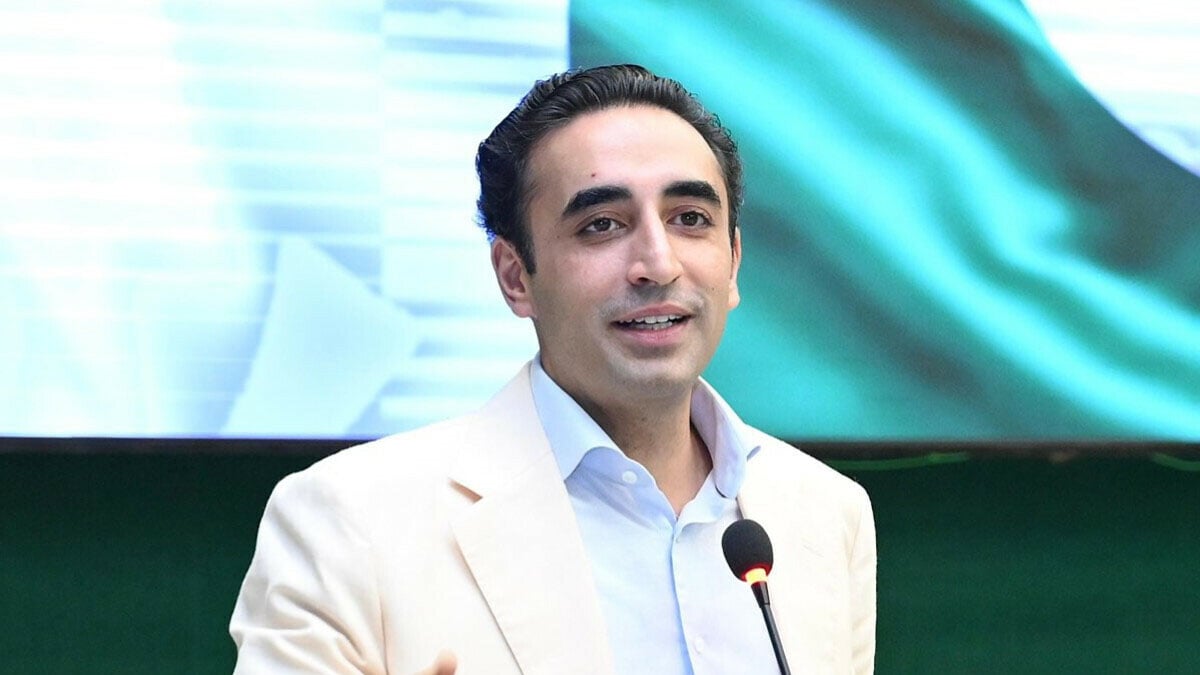
The outcome of the recent AJK polls has drawn intense political debate after Pakistan Peoples Party (PPP) Chairman Bilawal Bhutto Zardari strongly rejected the election results, describing the process as heavily rigged and violent. Speaking on the conduct of the voting exercise in Azad Jammu and Kashmir, the PPP leader expressed severe reservations over the fairness of the electoral process and announced that his party would soon outline its strategic next steps to challenge the outcome.
Severe Criticisms over Electoral Integrity in AJK
Elections in Azad Jammu and Kashmir carry significant political weight, shaping both regional governance and broader national political dynamics. Following the conclusion of polling, allegations of administration bias, political clashes, and procedural irregularities surfaced, leading major political stakeholders to question the credibility of the entire exercise.
Bilawal Bhutto’s sharp criticism underscores deep dissatisfaction with how the election was managed on the ground. By calling the election process deeply compromised and violent, the PPP leadership signaled that it does not accept the reported results as a true reflection of the public mandate. Such strong declarations typically pave the way for political mobilization, parliamentary protests, and formal legal challenges against contested constituency results.
What the AJK Election Dispute Means for Ordinary Citizens
When election results in a key region face serious challenges from prominent political leaders, the resulting political uncertainty directly affects everyday residents and local communities. A contested political transition often leads to administrative slowdowns, impacting the routine delivery of public services and regional governance.
Here is what the ongoing electoral dispute implies for ordinary citizens in the region:
- Service Delivery and Governance Delays: Political disputes over election legitimacy can stall local legislative business, potentially delaying public welfare projects and development schemes.
- Public Peace and Safety Concerns: High-tension political rhetoric and public demonstrations require citizens to exercise caution in areas prone to political gatherings or protests.
- Institutional Transparency: Serious allegations against election management highlight the need for greater transparency and robust dispute-resolution mechanisms within regional electoral bodies.
- Impact on Regional Policies: Ongoing political friction can temporarily affect the implementation of government programs designed for social and economic support.
Next Political Moves and Seeking Verified Updates
Political opposition strategies following contested elections usually involve filing formal petitions with election tribunals, holding public rallies, and raising procedural concerns before legislative forums. For party workers and the general electorate, the announced next moves will determine the direction of regional political activity in the coming weeks.
Because political statements and claims evolve rapidly during election disputes, citizens and observers are encouraged to seek factual information from official administrative bodies. Official notifications regarding constituency results, tribunal hearings, and formal declarations should always be verified through primary government portals and authorized election management channels.
As political parties prepare their next course of action, the situation surrounding the regional elections remains dynamic. Public stakeholders should follow verified official updates to stay informed on formal legal decisions and institutional responses regarding the electoral process.
Source: ARY News