Aung San Suu Kyi Meets Red Cross Representative Amid Ongoing Detention
Ousted Myanmar leader Aung San Suu Kyi has met with a Red Cross representative in a rare encounter following years of detention since the 2021 military takeover.
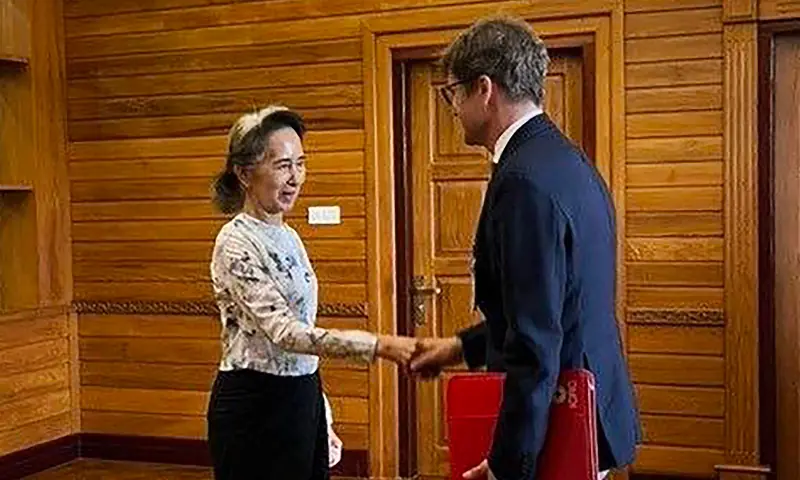
In a notable diplomatic development, the recent Aung San Suu Kyi Red Cross meeting has brought renewed global focus to the political environment in Myanmar. The 81-year-old Nobel Peace Prize laureate and former civilian leader met with a representative from the International Committee of the Red Cross on Monday. This rare interaction follows prolonged international anxiety regarding her personal health, physical well-being, and living conditions under strict military custody.
Context of the Political Shift and Prolonged Custody
The former elected leader has been held in detention since February 2021, when Myanmar’s armed forces removed the civilian administration from office in an early-morning takeover. The unexpected political shift abruptly halted the country’s civilian governance model and created severe political, economic, and social challenges across the nation.
Since her arrest, access to the ousted leader has been extraordinarily restricted. Independent observers, diplomatic envoys, and international monitors have repeatedly voiced concerns over her health given her advanced age. The recent encounter with humanitarian representatives serves as one of the few confirmed direct interactions between her and an independent international body since her movement was restricted over three years ago.
The Role of International Humanitarian Oversight
Interactions between neutral international organizations and high-profile political detainees carry major significance in global diplomacy. The International Committee of the Red Cross operates under strict mandates of neutrality and confidentiality, focusing primarily on assessing human conditions, access to essential medical support, and basic humanitarian rights during periods of conflict or domestic unrest.
Key aspects surrounding international humanitarian access in such scenarios include:
- Health and Medical Evaluation: Independent visits allow qualified neutral parties to assess the physical condition and living environment of detained figures directly.
- Humanitarian Communication Channels: Direct dialogue provides a limited bridge between isolated individuals and formal neutral bodies dedicated to human welfare.
- Systemic Diplomatic Engagement: Visits often signify broader diplomatic negotiations regarding access to detention facilities and broader relief operations within the country.
- Protection of Basic Standards: Engagement helps ensure that basic international conventions regarding the treatment of political detainees are highlighted on the global stage.
What This Development Means for Ordinary Citizens
For the public in Myanmar and observers monitoring regional policy, shifts surrounding high-profile political figures directly reflect the country's ongoing social and civic situation. Changes in detention conditions or diplomatic access frequently signal broader institutional posture changes that impact the daily lives of the population.
Impacts on Civic Stability and Public Morale
Developments involving national leadership directly affect public sentiment. Years of political unpredictability have created widespread disruption to local economies, public services, and daily community security. News of neutral oversight provides a measure of clarity to citizens anxious about national governance and human rights standards.
Humanitarian Relief and Aid Access
When international neutral bodies gain access to high-profile political individuals, it often indicates open channels for broader humanitarian work. For ordinary citizens affected by domestic instability, active engagement by international aid agencies is critical for ensuring that broader food, medical, and social support can reach communities in need without systemic disruption.
International Relations and Economic Stability
Global diplomatic responses to domestic political developments influence trade relations, cross-border commerce, and regional stability. For working families and local business owners, international diplomatic engagement can influence economic decisions, international aid flows, and cross-border mobility that directly impact household livelihoods.
Tracking Verified Information and Diplomatic Bulletins
Given the sensitive nature of international political updates, citizens and policy analysts are advised to rely strictly on verified reporting from established global news services and official statements issued by international neutral organizations. Because detailed reports regarding private diplomatic meetings remain strictly regulated, readers should confirm official announcements regarding diplomatic developments directly through verified international news bulletins and formal organizational releases.
Source: Dawn News